Winter Solstice – Summer Solstice
There is so much information about celebrating Yule at this time of the year. Yule (celebrated aligned with the Winter Solstice) is intrinsically associated with Christmas. In the Southern Hemisphere, Christmas falls in the summer not in the winter time. This means technically we would be looking at Litha festivities and traditions and not Yule based activities.
Litha, the Summer Solstice, which falls around the 21 – 23 December in Australia, is the longest day of the year. A festival rejoicing and celebrating the summer sun, the long hours of daylight. We notice mother nature’s power and wonder in all the plants, animals, birds and insects that are more active at this time of year. In the past, in the northern hemisphere, Litha was often marked with bonfires and staying awake through the short night. To leap over the bonfire was to assure a good crop; some said the grain would grow as tall as the leapers could jump. Due to fire restrictions in Australia throughout summer, celebrations for this Sabbat tend to be quite different. No candles can be lit, no cauldrons burned, and no open flames are allowed outside throughout much of our country. Litha falls in the dry stifling heat of summer. It represents fruitfulness, bounty and celebrations. Australia in summer, at Christmas, is about family feasts, picnics, barbeques, games of cricket, trips to the beach and camping.
Baking, preparing foods, picking flowers, harvesting fruits, herbs and vegetables and making floral arrangements, or crowns of flowers are great Litha activities.
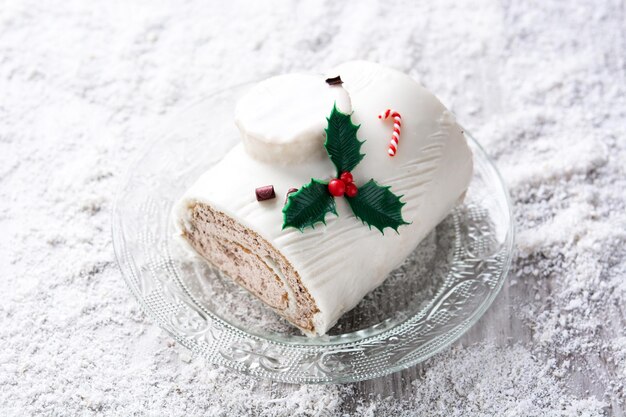
Winter Solstice or Yule is the shortest day, and therefore the longest night of the year. It marks the return of the Sun’s warmth and light, and the promise once again of a productive Earth. From this day onwards the days will be longer, more daylight hours. Pagans celebrate Yule in a variety of ways. Lighting candles, sitting around a fire, feasting with friends and family, or going for a walk and collecting plants or greenery to bring inside. Yule logs are burned. A Yule tree is put up in the home, adorned with pine cones, strings of berries, or herbs and with a pentagram (five pointed star) at the top. Presents are exchanged.
Many of our Christmas traditions originate in the pagan or wiccan ways of long ago.
We can include any of these activities in our own celebrations. Picking and choosing what speaks to us. What is meaningful for us and those closest to us.
What are three symbols from Litha or Yule that you will include in your celebrations this year?
 Sarah Lewin - Author
Leave a Reply